Discovering the Best Piano Learning Apps: My Journey from Novice to Pro
When you buy through our links, we may earn an affiliate commission.
I have a confession to make. I’ve been a working singer, songwriter, and multi-instrumentalist for over twenty years. I can fumble through basic songs and riffs like “Imagine” and “Let It Be,” tackle a Jerry Lee Lewis boogie-woogie (one hand at a time), and usually find and bash out the chords to any song I already know on guitar.
But here’s the catch: I absolutely cannot sight-read music and definitely can’t play Beethoven sonatas. And I want to—desperately. So, I decided to take a stab at learning piano for real. Starting at ground zero, I was fully humble and ready to put my head down and learn the fundamentals.
The Evolution of Piano Learning
What struck me was how much the landscape of piano instruction has changed since my first lessons. Back then, cell phones were pretty much non-existent. Now, we rely on our devices for just about everything—learning included! With an array of piano apps available, it became clear that technology could be a game-changer in my learning journey.
So, I decided to embark on a quest to find the best piano learning app for my needs. This article will guide you through my findings and help point you toward the right choice for your own musical endeavors.
How I Tested the Apps
While I’m not a virtuoso, my 20 years of experience in music gives me a critical perspective on music theory and learning pathways. So, while I approached these piano learning apps as a beginner, I did so with an informed lens.
Key Factors Considered
-
User Experience: Is the app user-friendly? I looked into workflow, loading times, and functionality. Some apps provide feedback based on “hearing” your playing, while others connect better through MIDI.
-
Curriculum: It’s crucial to ensure that the app caters to your experience level—whether beginner, intermediate, or advanced. I wanted to see if it offered tailored training in genres, techniques, and songs I was interested in.
-
Value: Not all apps give you your money’s worth. I assessed each one based on features and whether it seems fair for what you get.
Top Piano Learning Apps
1. Best for Beginners – Simply Piano
- Subscription: $17.99 per month; Annual: $169.99
- Features: Gamification style makes learning enjoyable; you can earn rewards based on your progress.
- Content: Includes both basic and advanced techniques with four lesson levels.
Simply Piano is particularly engaging for visually oriented learners and younger players. It provides a customizable learning path, including a Soloist mode focusing on classical pieces and a Chords path for backing pop and rock songs.
While it’s fantastic for novices, more experienced players might feel stifled by the beginner-friendly exercises.
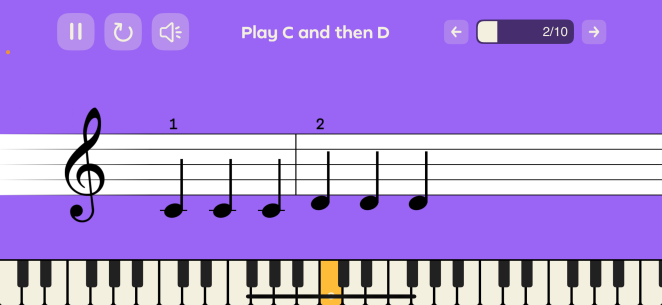
2. Best for Intermediate Players – Skoove
- Subscription: $29.99/Month, $149.99/Year
- Features: AI analysis for real-time feedback; you can loop sections for practice.
- Content: Techniques, music theory, sight reading, and improvisation.
Skoove offers a more serious approach to learning that’s less gamified and more akin to traditional lessons. You can skip around to any lesson, allowing for an excellent degree of freedom. Plus, the app includes real-time feedback and a range of music to work with.
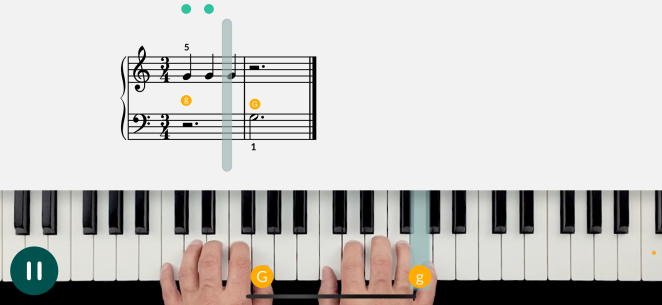
3. Best for All Experience Levels – Yousician
- Subscription: $139.99 per year; Family Plan: $209.99
- Features: Extensive song library, paths with workouts and weekly challenges.
- Content: Up to 9 levels with varying styles and video lessons.
Yousician allows users to select their experience level right from the start. This flexibility makes it easy for any player to find their groove, whether they are just starting out or looking to refine their skills.

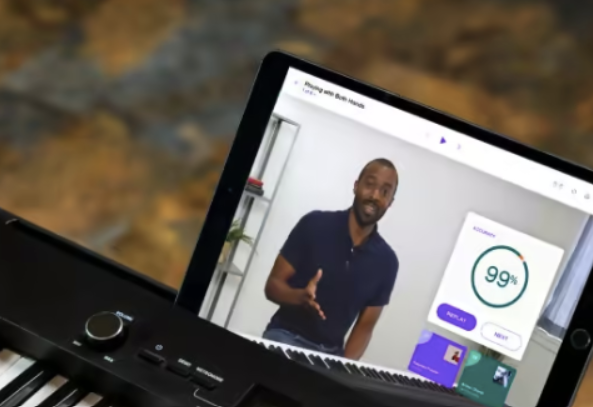
4. Best Video Lessons – Pianote
- Subscription: $40/Month; $240 annually
- Features: Video lessons taught by real teachers; huge library of songs.
- Content: Focuses on beginner and intermediate levels, with interactive lessons and feedback.
Pianote’s strength lies in its video lessons led by real instructors, making it one of the closest experiences to in-person lessons available. If traditional learning is more your style, this app is a solid option.

5. Best Song Lessons – Flowkey
- Subscription: $19.99/Month; $9.99/Month (12-month sub)
- Features: Microphone and MIDI connectivity; Wait and Slow Motion modes for practice.
- Content: Comprehensive instruction in chords, improvisation, and reading music.
Flowkey is ideal for beginners looking for high-quality song lessons. It even allows you to practice hands separately, reinforcing essential skills and building finger strength.

6. Best Value – Playground Sessions
- Subscription: $19.99 monthly; $119.99 annually.
- Features: Color-based feedback, section looping, extensive song library.
- Content: Offers skill-based classes, from basic to advanced techniques.
Playground Sessions provides a fun learning experience through its gamified interface. While not ideal for those wanting deep music theory, the app’s extensive library offers a fantastic value for motivated learners.
So there you have it! Each app presents a unique angle on piano learning. If you’re a total beginner seeking an engaging learning experience, Simply Piano or Yousician might be your best bets. For those with a little more playing under their belt, Skoove or Flowkey could be more up your alley. If you’re looking for a more in-depth tutorial experience, Pianote is worth exploring.
Try the free trials of various apps to find which fits your learning style best. Happy playing!